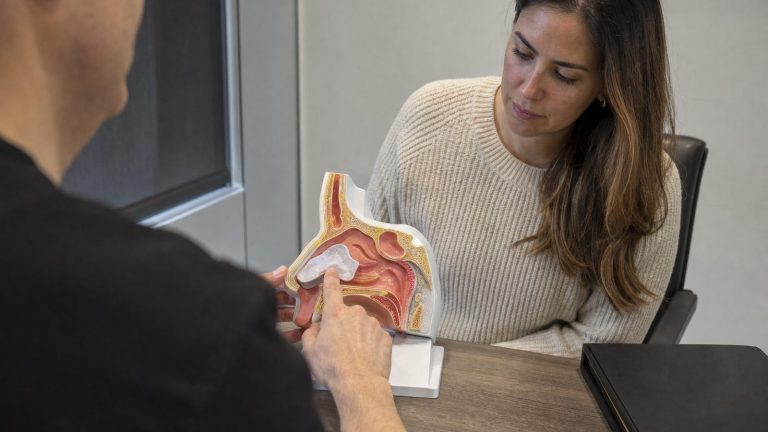



Revision rhinoplasty is the re-correction of a nose that has been operated on once or several times before. It comes up when the result of the first surgery is not liked, when a breathing problem appears, or when the shape changes over time. This article is for readers who ask, "Do I need a second operation, and when?"
Why is revision needed?
After rhinoplasty, the nose continues to take shape for months. As the swelling subsides, small irregularities may correct themselves; however, some problems are permanent and require a second intervention. Common causes are:
- A noticeable bump or depression on the bridge of the nose
- Asymmetry of the nasal tip, or a tip that looks overly lifted or drooping
- Pinching of the nasal tip or collapse of the nostril wing (alar collapse) caused by too much cartilage being removed
- Unevenness of the nostrils
- Nasal obstruction that began after surgery or does not improve
- An over-reduced nose that appears over time and looks out of proportion with the face
The need for revision can result from a shortcoming in the first operation, but it can also result from the way a person heals, tissue response, or trauma suffered later. Not every disliked result is a surgical error; likewise, not every disliked result requires a second operation. Small irregularities can sometimes be resolved with filler or a limited correction.
Revision rhinoplasty is performed by both ENT (ear, nose and throat) specialists and plastic surgeons. Because these operations are more difficult than the first, a physician with specific experience in revision should be sought.
Who is it suitable for?
- Patients who are generally at least one year past their first operation and whose swelling has fully subsided
- People whose complaint is concrete and can be confirmed on examination
- People who developed airway obstruction after surgery
- People with marked asymmetry of the nasal tip or bridge
- People with realistic expectations who accept that revision may offer more limited change than the first operation
For people who want surgery for small flaws that only they notice, or whose last operation was only a few months ago, waiting is generally recommended.
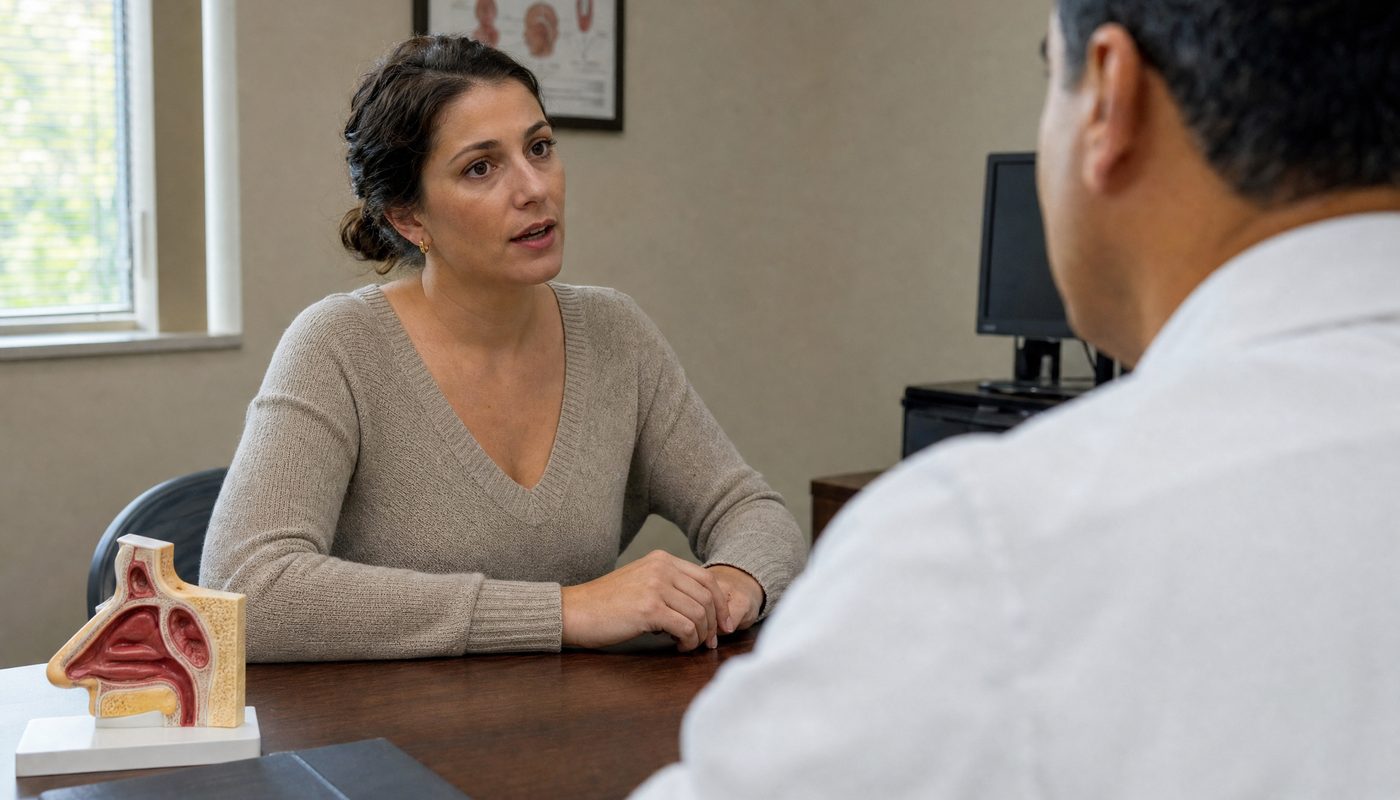
The surgical process
Evaluation of the previous surgery
The physician asks for the medical report from the first operation and, if available, photos from before and after surgery. What was removed from the nose, what was added and how much cartilage remains directly affect the plan. Collecting this information in advance speeds up the process.Examination and graft plan
The nose is examined from the inside and the outside, and the airway is checked. Whether a graft will be needed to replace missing cartilage is decided. The graft is usually taken from the septum; if the septum has already been used, ear cartilage or rib cartilage come into consideration.Surgery
Revisions are mostly performed with the open technique, because scar tissue and altered anatomy call for working under direct vision. Grafts are placed, asymmetries are corrected and the airway is opened. The operating time is usually longer than for the first operation.Cast and check-up
A cast and internal splints are placed, and they are usually removed within the first week. The graft donor site (ear or rib) is monitored separately with a dressing.Long-term follow-up
Because there is more scar tissue, swelling subsides more slowly than after the first operation. The physician plans the check-up intervals accordingly.For revision rhinoplasty, a stay of between one week and ten days is usually planned in Türkiye; the cast and sutures are removed after about a week, and if a rib graft was taken, the follow-up may be kept somewhat longer. The exact duration varies according to your physician's plan.
Recovery and what to watch for
Recovery after revision rests on rules similar to those after the first operation: keeping the head elevated, protecting the nose from knocks, avoiding glasses and heavy exercise. What differs is that the swelling lasts longer and the nasal tip takes more time to settle.
- If a graft was taken from the ear or rib, there will be pain and tenderness in that area; after a rib graft, discomfort may be felt when breathing deeply during the first weeks.
- Because the skin has been lifted before, circulation is sensitive; smoking is especially harmful during this period.
- Numbness and a feeling of stiffness may last longer than after the first operation.
The risks are the same as those of first rhinoplasty but may occur somewhat more often: infection, displacement or gradual resorption of the graft, incomplete correction of asymmetry, and persistence of the breathing problem. Rarely, a third operation may be needed. The aim of revision is not to create a new nose but to correct the obvious problem and improve function; setting out with this expectation reduces disappointment.
Why wait at least one year?
Swelling, bumps or asymmetry seen in the first months are often temporary. Swelling at the nasal tip lasts a long time, especially in patients with thick skin; early intervention means reopening tissue that has not yet settled and makes the result harder to predict. For this reason physicians generally recommend waiting around a year. The exception is situations that call for early intervention, such as marked graft displacement or serious nasal obstruction; this decision, too, is made by the physician who evaluates you.
You can request a free initial assessment by sending the report from your previous operation, your photos from before and after surgery if you have them, and current photos of your nose; a specialist reviews them and the revision plan is sent to you in writing. This article is for general information only; the definitive diagnosis and treatment plan are determined by a specialist's examination.