

A dental implant is an artificial root made of titanium or zirconia, placed in the jawbone in place of the root of a lost tooth. It offers a fixed option without touching the neighboring teeth, both for people who have lost a single tooth and for those who are missing several teeth in a row. How the plan changes depends on the number of missing teeth and the condition of the bone.
How does an implant work, and where do single-tooth and multiple implants differ?
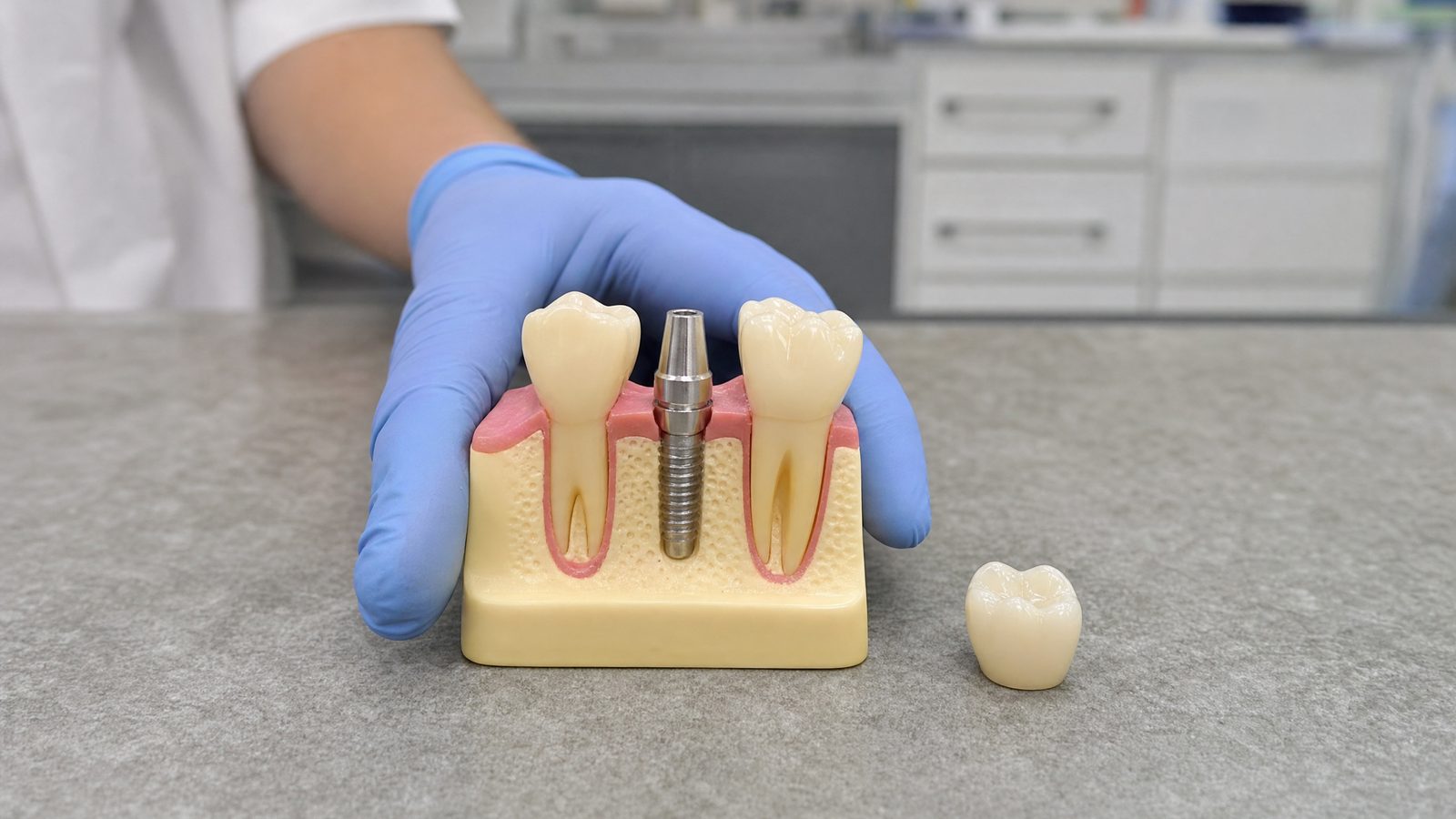
After the implant is placed in the bone, the bone tissue around it fuses with the implant surface; this process is called osseointegration. Once bonding is complete, a connecting piece called an abutment is attached to the implant, and a crown or bridge is fitted on top of it. Because the implant keeps the chewing stimulus reaching the bone, it can help slow the bone loss seen after tooth loss.
For a single missing tooth, the classic option was to reduce the two neighboring teeth and make a bridge. An implant does not touch these teeth; one implant is placed in place of the missing tooth and a single crown is fitted on it. In the front of the mouth, the match of the gum shape and crown color with the neighboring teeth stands out; in the back, chewing durability does.
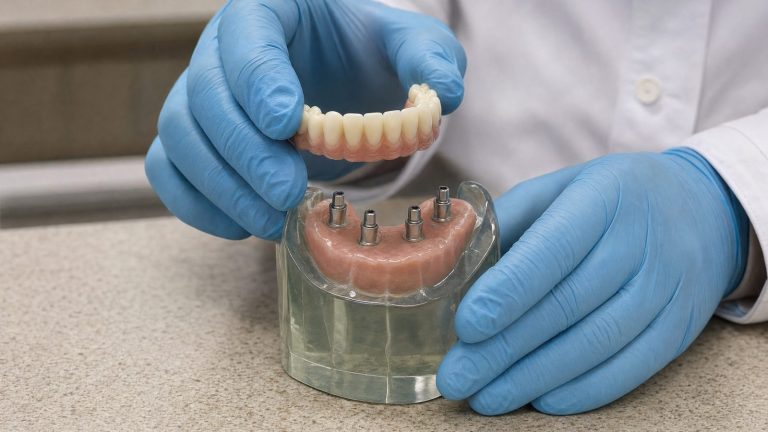
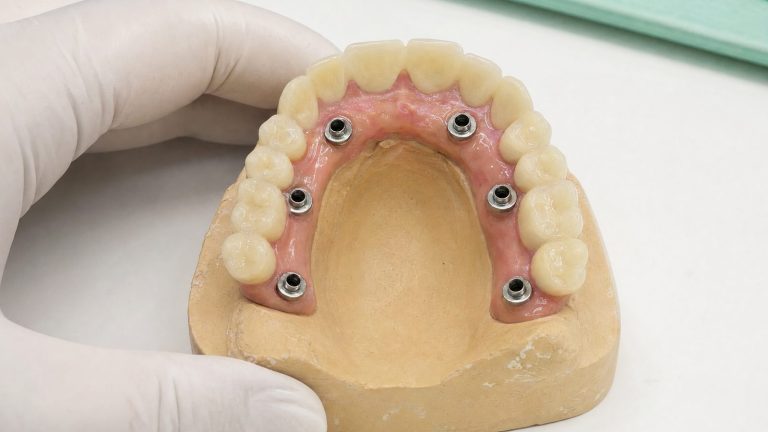
If several teeth in a row are missing, a separate implant may not be needed for each tooth. For example, with three missing teeth, a three-unit bridge can be made on two implants. The number of implants is determined by the number of missing teeth, bone volume, chewing force and the condition of the teeth in the opposing jaw. With many missing teeth or complete tooth loss, full-arch prostheses such as All-on-4 and All-on-6 come into play.
Who is it suitable for?
- People who have lost one or more teeth and do not want their neighboring teeth touched
- People whose jawbone volume and density are sufficient for an implant, or can be made sufficient with a graft
- Patients whose gum health is good or has been brought under control with treatment
- Adults whose jaw growth is complete
- People whose systemic conditions are under control and who have nothing preventing surgery
Uncontrolled diabetes, heavy smoking, some osteoporosis medications and radiotherapy to the head and neck area can affect the plan. These conditions should be shared with the physician.

Treatment process
Examination and imaging
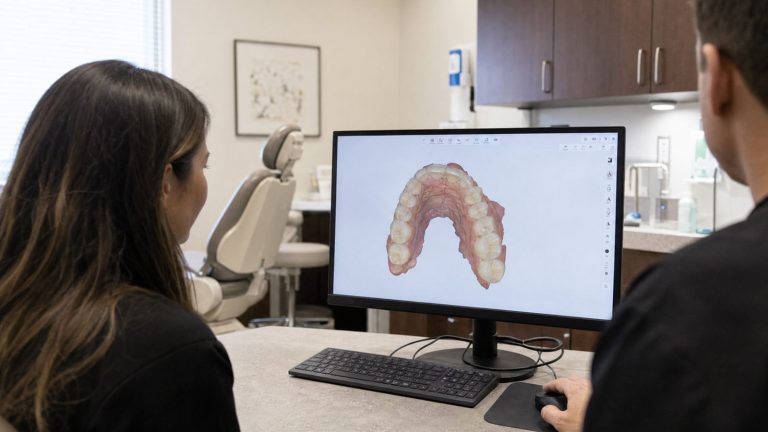
Bone volume and the positions of the sinuses and nerves are assessed with a panoramic X-ray and, if needed, a CT scan. The number, diameter and length of the implants are planned here. Existing X-rays can be reviewed remotely.Preparation if needed
If the bone is insufficient, a bone graft or sinus lift is performed. In some cases the graft is done in the same session as the implant; in others the graft is done first and a wait of a few months follows.Placing the implant
The implant is placed under local anesthesia. For a single implant the procedure is usually short; with multiple implants the time increases with the number. In suitable cases an implant can be placed in the same session as the extraction.Bonding period
Bonding with the bone usually takes two to six months; it is often shorter in the lower jaw and longer in the upper jaw and in grafted areas. A temporary tooth can be used for aesthetics in the front area.Superstructure
Impressions are taken, and the crown or bridge is made and fitted. The bite and contact points are checked.Two trips are usually needed for a single or multiple implants: the first involves a stay of a few days for implant surgery, and after bonding a second visit of close to a week is planned for the superstructure. Reviewing X-rays and the written plan can be done remotely; if a graft is needed at a separate stage, the number of trips may increase. The exact duration varies according to the physician's plan.
Healing and what to watch for
Mild pain, swelling and bleeding can be expected for the first few days. Cold compresses, the prescribed medication and not putting strain on the surgical area are important. In the first weeks hard foods should be avoided and you should not smoke.
Possible risks include failure of the implant to bond with the bone, infection, temporary changes in sensation because of proximity to a nerve, a relationship with the sinus in the upper jaw, and, in the long term, inflammation of the tissue around the implant (peri-implantitis). Regular checkups and the use of interdental brushes and dental floss directly affect the lifespan of the implant.
Implant or bridge?
A bridge requires reducing the teeth on either side of the missing tooth and is completed in a shorter time. An implant, on the other hand, protects the neighboring teeth and can help slow bone loss, but it requires surgery and takes longer. If the neighboring teeth already have fillings or crowns, a bridge can be a reasonable option; if they are sound teeth, an implant is often considered first. The decision is made with the physician by weighing bone condition, budget and timing together.
You can get a free initial assessment by sending your panoramic X-ray or your reports; a specialist physician reviews your X-rays and the plan is sent to you in writing. This article is for general information only; the exact diagnosis and treatment plan are determined through an examination by a specialist physician.