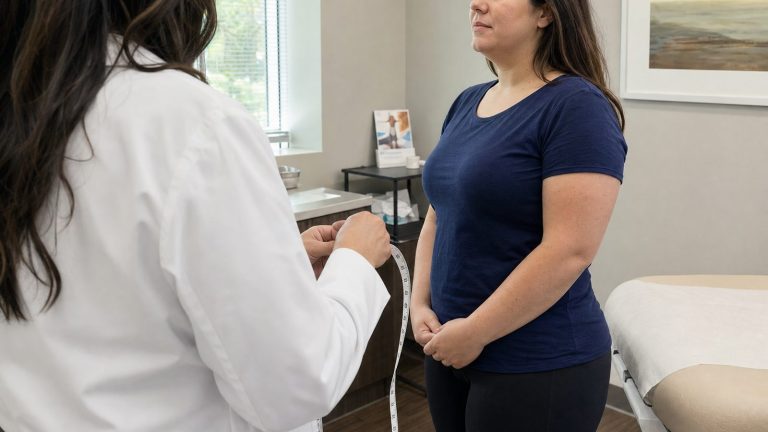


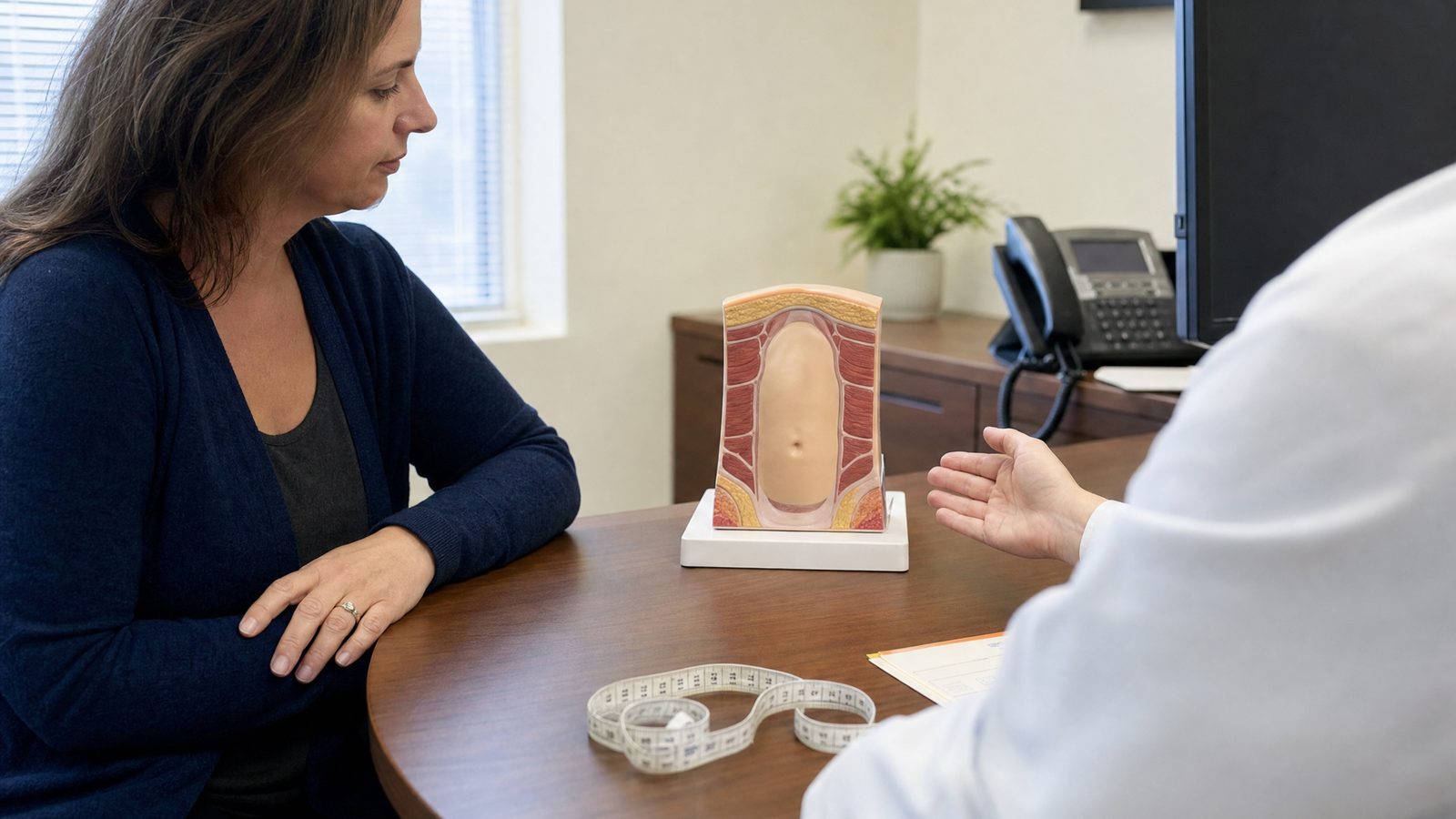
Pregnancies and major weight loss can leave loose skin on the abdomen, a weakened muscle wall and an appearance that does not respond to dieting. A tummy tuck (abdominoplasty) is an operation that removes the excess skin and brings the separated abdominal muscles back together. This article is for people who are bothered by these changes in the abdomen and want to learn how the operation proceeds.
What does a tummy tuck do?
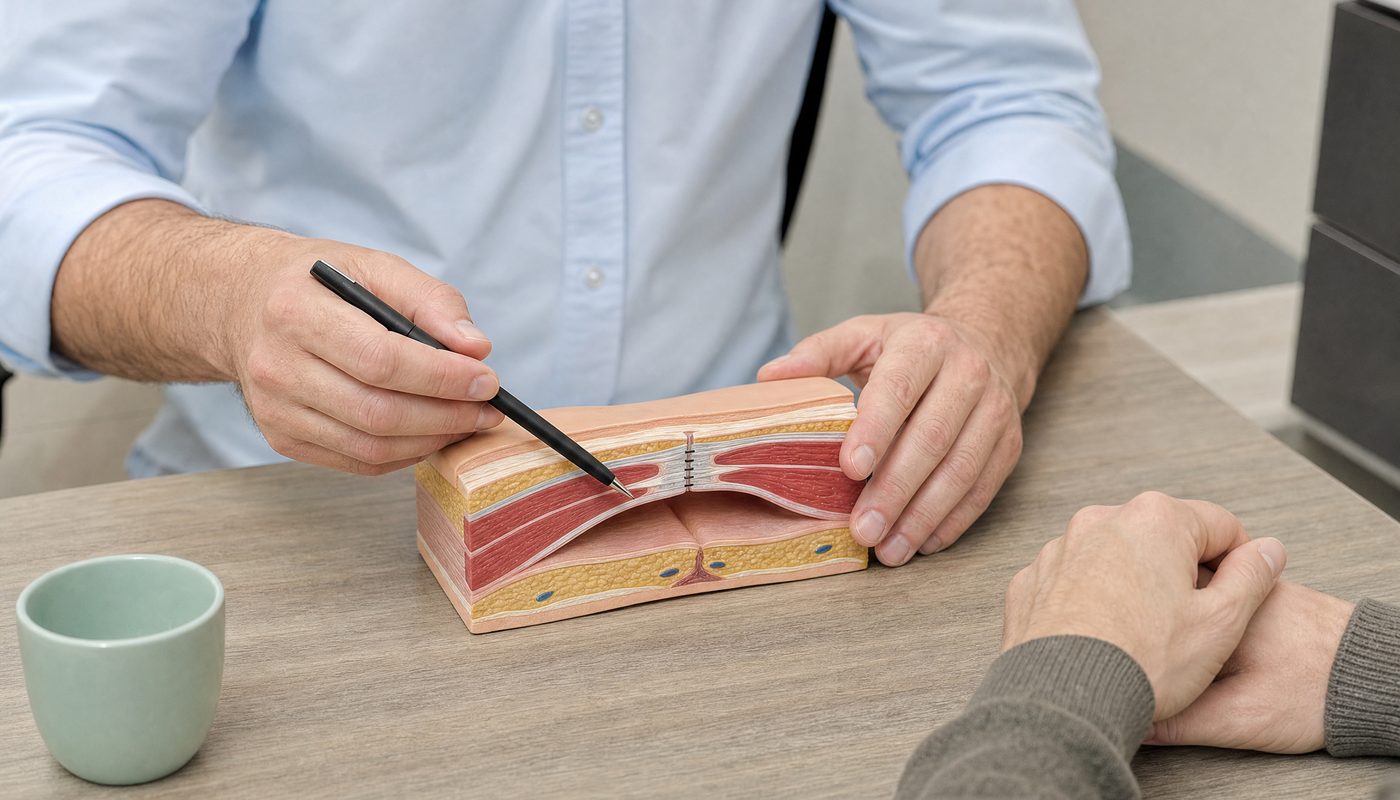
In a full tummy tuck, a horizontal incision is made at the pubic level, placed so that it stays within the underwear line. The skin and fat above the navel are lifted, the midline muscles separated by pregnancy (diastasis) are joined with stitches, the excess skin is removed and the navel is reshaped in its new position. Liposuction is often added to the waist and flanks.
In a mini tummy tuck, if the problem is only a small excess of skin below the navel, a shorter incision is made; the navel stays in place and the muscle repair is kept limited. For patients whose skin also sags toward the sides after very large weight loss, the incision can extend to the sides and the back.
A tummy tuck is not a weight-loss operation; the weight of the tissue removed is limited. The aim is to correct contours and tighten the abdominal wall.
Who is it suitable for?
- People with loose skin and stretch-marked areas on the abdomen after pregnancy or weight loss
- People whose abdomen protrudes because of separated midline muscles
- People whose weight has been stable for at least a few months and who have no plan for major weight loss
- People who have finished having children; a new pregnancy can compromise the result
- People in good general health who tell the physician about diabetes or a clotting problem, if they have one
- Non-smokers, or those who can quit for the period the physician sets before and after surgery
For people who have had obesity surgery, the operation is planned after their weight has stabilized. If there are old surgical scars on the abdomen, the incision plan may change accordingly.
The surgery process
Assessment and plan
A specialist physician reviews your photos and health information; the amount of excess skin, the muscle separation, whether there is a hernia and whether liposuction is needed are assessed. The decision between a full and a mini tummy tuck and the incision plan are sent to you in writing.Day of surgery
The operation is performed under general anesthesia and usually takes two to four hours. During and after surgery, compression stockings and, if needed, blood-thinning injections are used to prevent clots in the legs. You usually stay in the hospital for one or two nights.The first days
Because the abdomen is tight in the first days, you walk slightly bent forward and lie with your knees bent. If drains have been placed, they are usually removed in the first days. The compression garment is put on right away. Short, frequent walks are the most important part of recovery.Checkups and stitches
The incision line is monitored with dressings. The stitches are mostly the dissolvable type; if non-dissolvable stitches were used, they are usually removed at around two weeks.Long-term follow-up
The incision scar may stay red and raised in the first months; it can take up to a year for the scar to soften and fade. The physician may recommend silicone gel or tape for scar care.A stay of 10-14 days is usually planned for a tummy tuck. Drains are removed in the first days, dressings are changed regularly and the flight is usually planned after the checkup in the second week; precautions against clots on long flights are discussed with the physician. The exact duration varies according to the physician’s plan.
Recovery and what to watch for
Desk work is usually resumed within two to three weeks. For heavy lifting, exercise that strains the abdominal muscles and picking up small children, the physician usually asks you to wait several weeks, sometimes longer. The compression garment is worn for the period set by the physician. It takes months for the swelling to go down completely; numbness around the waist fades over time.
Possible risks include fluid collecting under the skin (seroma), blood collection, infection, delayed wound healing (especially in the middle part of the incision), wide scars, small skin bulges at the ends of the incision and an unwanted result in the shape of the navel. The most serious risk is a clot in the leg veins that travels to the lung; for this reason early movement, compression stockings and the medicines recommended by the physician should be taken seriously. Some patients may need an additional correction procedure.
The difference between a tummy tuck and liposuction
Liposuction removes fat only; it does not remove skin or repair muscles. It may be enough on its own for patients with firm skin and only excess fat. A tummy tuck targets loose skin and a weakened muscle wall; in return there is a longer scar and a longer recovery. The two methods do not replace each other; for most patients they complement each other. Which one, or both, is needed is determined at the examination.
You can get a free initial assessment by sending your photos and health information; a specialist physician reviews your abdomen from the photos and the plan is sent to you in writing. This article is for general information only; a definitive diagnosis and treatment plan are determined by a specialist physician’s examination.