

With age, the cheeks descend, the jawline becomes less defined and the skin of the neck loosens. A facelift and neck lift are operations that correct these changes surgically. This guide was prepared for people considering the operation who wonder whether it would suit them.
What do a facelift and neck lift do?
In a facelift, the goal is not just to pull the skin. The surgeon repositions the layer of connective tissue and muscle under the skin called the SMAS, removes the excess skin and places the remaining skin in position without creating tension. This makes the cheek and jawline more defined.
In a neck lift, the fat under the chin is reduced, the loosened platysma muscle is tightened and excess skin is removed. The two operations are often done in the same session, because the lower part of the face and the neck cannot be considered separately.
The operation does not address the forehead, brows or the area around the eyes. Separate procedures such as a brow lift or eyelid surgery are planned for these areas. Fine lines on the skin surface and sun spots also do not disappear with a lifting operation.
Who is it suitable for?
- People with marked sagging in the cheeks, jawline and neck whose skin elasticity is preserved to some extent
- People in good general health, or whose chronic conditions are under control
- Non-smokers, or those who can quit for the period the physician sets before and after surgery
- People whose weight has been stable for a long time and who have no plan for major weight loss
- People who expect to refresh their appearance in a way that suits their age, not to stop aging
People who use blood thinners, who have uncontrolled blood pressure or diabetes, or who have a condition that affects wound healing are assessed separately by the physician. These situations do not always rule out surgery, but they may change the plan.
The surgery process
Initial assessment and plan
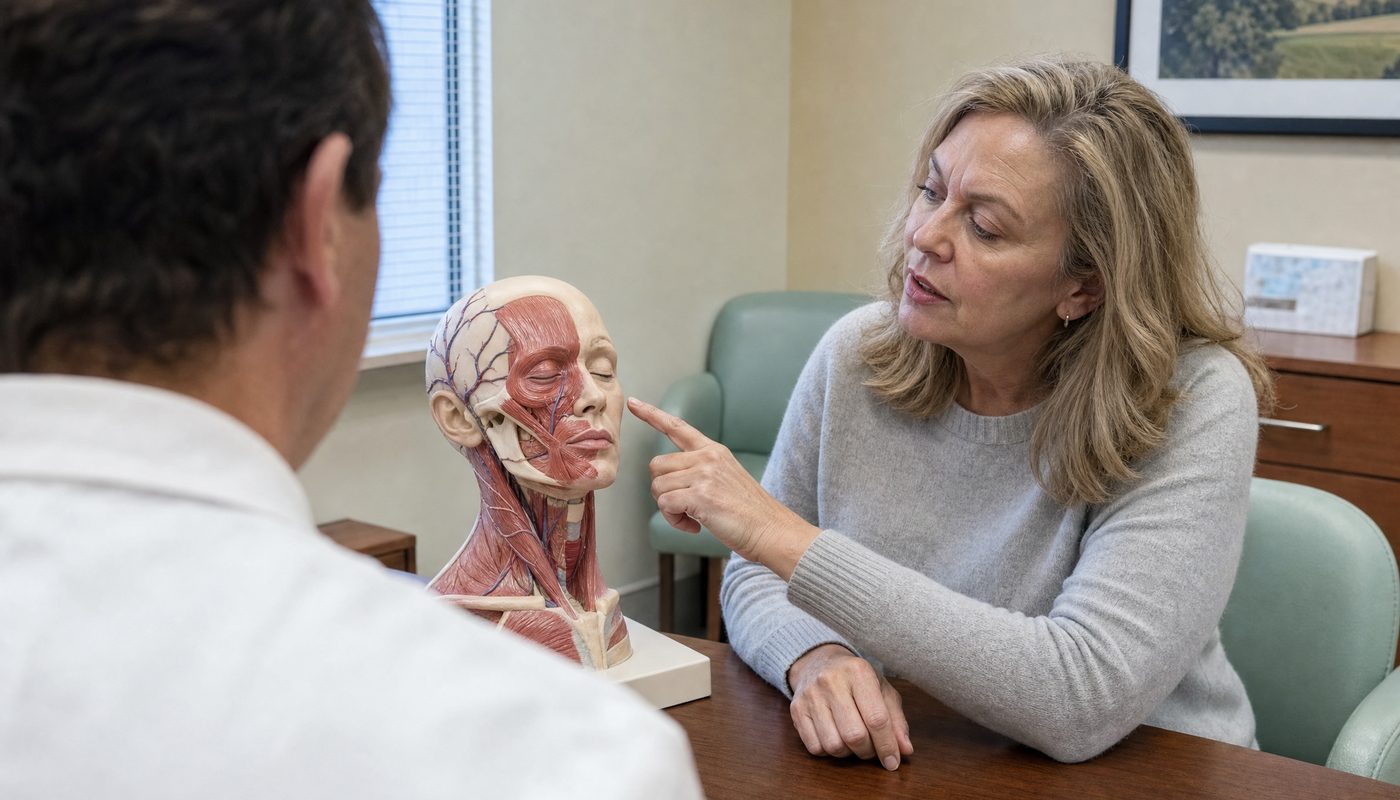
A specialist physician reviews your photos and health information. Skin quality, the degree of sagging and the structure of the neck are assessed. Face only, neck only, or both together are planned; the plan is sent to you in writing.Day of surgery
The operation is usually performed under general anesthesia or deep sedation. The incisions are planned within the hairline and in front of and behind the ear; a short incision under the chin may be added for the neck. The procedure usually takes several hours and most patients stay one night in the hospital.The first days
The face and neck are wrapped in a bandage. If small drains have been placed, they are usually removed within the first one or two days. Swelling and bruising are expected; sleeping with the head raised and cold compresses bring comfort.Stitches and checkups
Some of the stitches are usually removed within the first week, and those in the scalp a little later. At the checkups, wound healing and the course of the swelling are assessed.A stay of 7-10 days is usually planned for a facelift and neck lift. The first dressing is done in the days after surgery, a large part of the stitches are removed within the first week, and fitness to fly is assessed at the final checkup. The exact duration varies according to the physician’s plan.
Recovery and what to watch for
Most of the swelling and bruising usually subsides in the first few weeks; the face can take months to reach its final form. During this period, heavy exercise, movements that strain the face and sun exposure should be avoided. Because smoking markedly impairs wound healing, it should be avoided in the period after surgery as well.
Possible risks include blood collecting under the skin, infection, delayed wound healing, temporary numbness around the ear and incision scars staying more visible than expected. Temporary weakness may be seen in the branches of the facial nerve; permanent damage is rare. Hair thinning around the incision line and slight asymmetry between the two sides are also possible. In some patients, a small additional procedure for correction may be needed. These are matters that the physician will explain in detail at the pre-operative consultation.
Methods that are confused with a facelift
A mini facelift focuses only on the jawline with shorter incisions; it is preferred for younger patients with mild sagging. Thread lift methods provide a temporary lift with dissolvable threads placed under the skin; the effect is limited and short-lived. Fillers and botulinum toxin target volume loss and expression lines, but do not lift sagging skin. Radiofrequency and ultrasound-based devices can tighten the skin to some extent, but do not take the place of surgery when sagging is marked. Which method is suitable is determined by the degree of sagging, skin quality and expectations.
You can get a free initial assessment by sending your photos and health information; a specialist physician reviews your photos and sends the plan to you in writing. This article is for general information only; a definitive diagnosis and treatment plan are determined by a specialist physician’s examination.