

For people considering coming to Türkiye for rhinoplasty, the first question is often not medical but practical: how many days should I stay, when can I board a plane, who should be with me? This article helps patients coming from abroad plan the trip from start to finish.
What determines the length of stay?
After rhinoplasty, two things must be completed before the patient returns home: removal of the cast and internal splints, and the physician's check of wound healing. These two steps are usually done about a week after surgery. For this reason, a trip is generally planned for between seven and ten days: arrival, examination and tests, surgery, rest, check-up and return.
Some situations extend the stay. In revision rhinoplasty, if a rib graft was taken, or if septum and turbinate procedures were done together, the physician may schedule the check-up somewhat later. Patients with a chronic illness or a long flight ahead may also be asked to allow an extra day or two. The exact schedule is settled according to the plan of the physician who will perform the surgery.
In Türkiye the surgery is performed by ENT (ear, nose and throat) specialists and plastic surgeons; which physician you will proceed with is determined by a photo assessment before travel, and the plan is sent to you in writing.
Who is it suitable for?
This travel plan suits patients in the following situations:
- Those who have had a photo assessment before surgery and have agreed a plan with the physician
- Those whose health is suitable for a long flight and general anesthesia
- Those who can take at least one week off and make rest a priority during that time
- Those who can bring a companion or can manage on their own in the first days
- Those who have access to a physician for check-ups in their own country after returning
Chronic illness that is not under control, a recent serious infection, pregnancy, or situations in which the physician does not consider you suitable for surgery require the trip to be postponed.
The travel plan step by step
Before travel
Photos and, if available, information about previous surgery are sent, the physician reviews them and the plan is sent to you in writing. Medications and supplements that have a blood-thinning effect are stopped with the physician's approval. If you smoke, you pause. Flights and accommodation are planned around the dates of surgery and check-up; a changeable return ticket gives peace of mind.Arrival and first examination
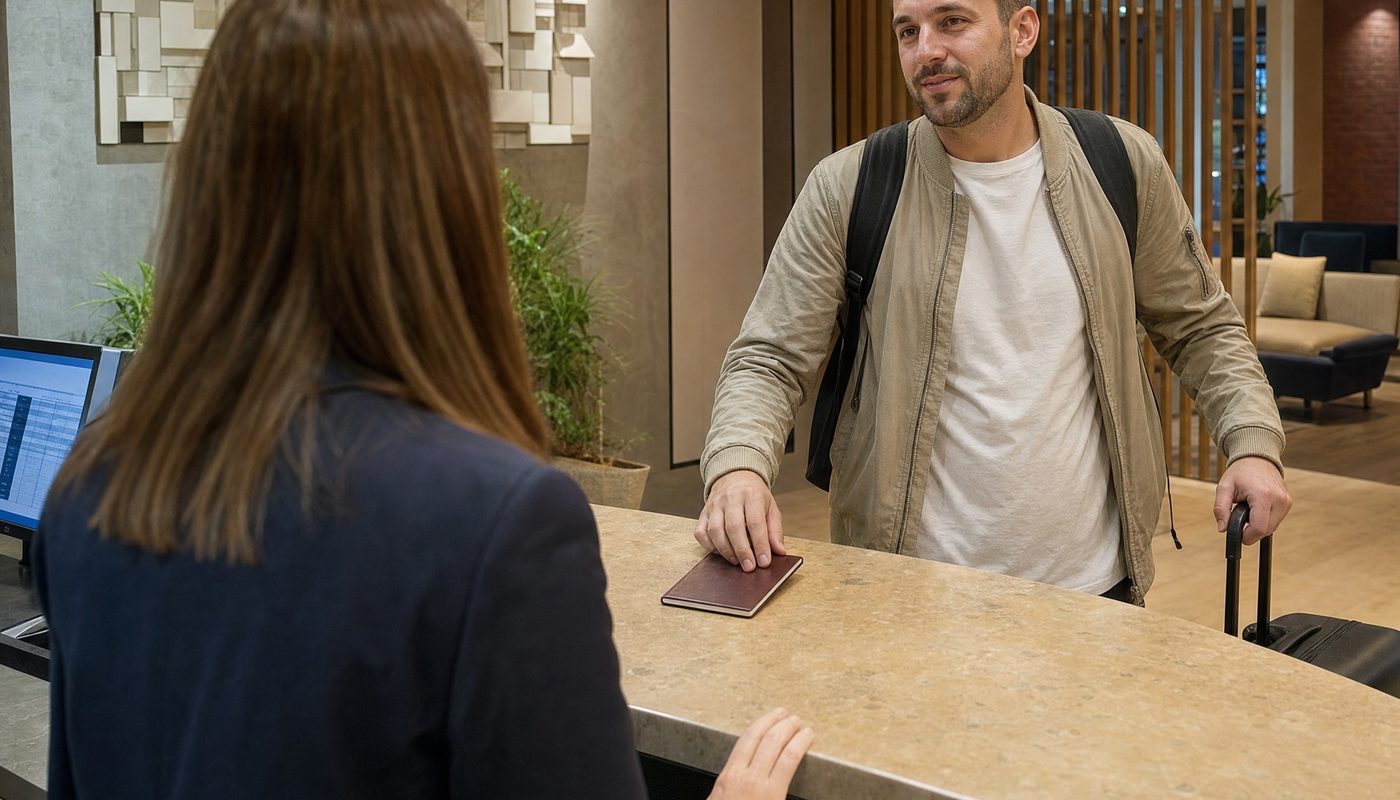
You generally arrive one day before surgery. The physician performs a face-to-face examination, blood tests and other required tests are completed, and an anesthesia assessment is made. This meeting is the moment when the plan discussed over photographs is finalized one last time.Surgery and hospital stay
Surgery is performed under general anesthesia. Most patients stay one night in the hospital. At discharge you are given medications, care instructions and a number to call in an emergency.Resting at the hotel
The days until the cast is removed are a rest period. Apart from sleeping with the head elevated, cold compresses and short walks, there should be no planned activity. Sightseeing, the sea and the hamam are not suitable during this period.Check-up and return
The cast, splints and sutures are generally removed about a week after surgery. The physician checks wound healing, explains further care and taping recommendations, and tells you whether you are fit to fly. The return flight is mostly planned for the day after this check-up or for the same day.Passport and insurance documents, a list of the medications you use, your previous surgery report if you have one, and allergy information; saline spray, lip balm, loose clothing that buttons at the front (clothing pulled over the head can hit the nose), a travel pillow and high-protection sunscreen. If you wear glasses, consider contact lenses or a light pair of glasses that can be taped to the forehead for after surgery.
Recovery and what to watch for
Questions about flying are the most frequently asked. Flying is generally possible once the cast has been removed and the physician has given approval. In flight, cabin pressure can create a feeling of fullness and mild pressure in the nose; saline spray and plenty of water ease this. On long flights, walking from time to time, raising the head if possible, and not bending over while stowing cabin baggage are recommended. Keep your mouth open when sneezing and avoid blowing your nose.
- In the first weeks after returning, glasses, heavy exercise, sauna and sun exposure are restricted.
- Arrange a check-up with a physician in your own country; the operating physician can also follow up remotely using photos.
- If you have fever, increasing pain, bleeding that does not stop or foul-smelling discharge, go to a healthcare facility immediately.
The additional risks of travel should be known: a long flight without movement can increase the risk of blood clots in the veins, and it becomes harder to reach the operating physician in person for a problem that appears early. For this reason, it is not right to plan a return before the check-up is completed or without waiting for the physician's permission to fly. The risks specific to surgery (bleeding, infection, asymmetry, breathing problems, need for revision) apply regardless of whether you travel, and should be discussed in the consultation before surgery.
Common mistakes
Combining a holiday with surgery: the first week is a rest week; a sightseeing schedule makes recovery harder, and touring with a bruised face is not enjoyable. If you are planning a holiday, it should be taken before the surgery.
Buying a return ticket too early: flying before the cast is removed or skipping the check-up creates both medical and practical problems; a changeable ticket removes this pressure.
Underestimating the need for a companion: having someone with you for medication times, meals and moving around the hotel during the first two days makes things easier. If you will come alone, say so in advance; accommodation and transport are arranged accordingly.
Skipping the photo assessment: a face-to-face examination is indispensable, but an initial assessment by photo before travel lets you find out before you arrive whether your expectations and the plan match.
You can request a free initial assessment by sending your photos and, if you have any, information about previous surgery; a specialist reviews your photos, the plan is sent in writing, and travel and accommodation are planned accordingly. This article is for general information only; the definitive diagnosis and treatment plan are determined by a specialist's examination.