Modern Treatment Center
Treatments
IVF and Reproductive Health
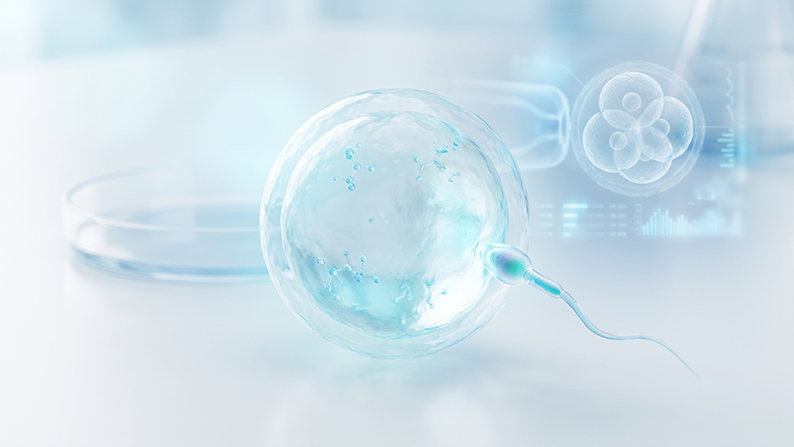
IVF and Reproductive Health
IVF and reproductive health services include evaluation of reproductive functions in women and men who wish to have children, investigation of factors that may affect pregnancy and planning of appropriate assisted reproductive methods.
INTERGUIDING ensures that patients existing medical reports are reviewed by specialists. With the joint evaluation of obstetrics and gynecology, urology, andrology, embryology and other required specialties, we help select the appropriate physician and authorized reproductive health center.
Main Services
Female and male infertility evaluation
Ovarian reserve evaluation
Hormone tests and ultrasound examinations
Semen analysis and male reproductive health evaluation
Ovulation monitoring and ovulation treatments
Intrauterine insemination (IUI)
In vitro fertilization (IVF)
Intracytoplasmic sperm injection (ICSI)
Egg retrieval
Laboratory monitoring of embryo development
Embryo transfer
Urological procedures for sperm retrieval
Evaluation of recurrent pregnancy loss
Hysteroscopic and laparoscopic evaluation for infertility
Egg, sperm and embryo freezing
Second medical opinion
Freezing and storage procedures and other assisted reproductive applications are planned according to current regulations and specialist evaluation.
Infertility Evaluation
The cause of infertility may be related to the woman, the man or both partners. Therefore, it is important that the evaluation process considers the medical history and current results of both partners together.
In women, ovarian reserve, ovulation, uterus and fallopian tubes may be evaluated. In men, sperm count, motility, morphology and other relevant urological factors may be assessed.
IVF Treatment
IVF treatment generally includes controlled ovarian stimulation, egg retrieval, fertilization in the laboratory, monitoring embryo development and transferring an appropriate embryo into the uterus.
The treatment protocol is personalized by the specialist according to age, ovarian reserve, sperm characteristics, previous treatments and other medical factors.
Intracytoplasmic Sperm Injection
ICSI is a procedure in which a selected sperm cell is injected directly into an egg cell in a laboratory environment. Whether this method is required is determined by the specialist team following evaluation of female and male reproductive health.
Embryo Transfer
Among embryos whose development has been monitored in the laboratory, the embryo or embryos considered suitable for transfer are transferred into the uterus at the time determined by the specialist team. Transfer planning considers embryo development, the patients medical condition and current regulations.
Preservation of Reproductive Health
For patients who wish to preserve future reproductive potential due to medical treatments, age, surgery or other health conditions, egg, sperm or embryo freezing options may be considered.
The suitability and legal conditions of these procedures are determined individually by the specialist physician and authorized center.
Treatment Process with INTERGUIDING
Your existing medical reports and test results are collected.
Documents related to female and male reproductive health are evaluated by specialists.
Necessary additional examinations and consultations are determined.
An appropriate specialist physician and authorized IVF center are selected.
You are informed about the recommended treatment plan, estimated duration and process.
Transportation, accommodation and transfer arrangements can be provided upon request.
Coordination support is provided throughout treatment and follow-up.
The outcome of IVF and assisted reproductive treatments may vary depending on age, ovarian reserve, sperm characteristics, embryo development, general health and other medical factors. No treatment method guarantees pregnancy. The definitive treatment plan is determined following specialist evaluation.